.jpg?width=150&height=194&name=PIE-26_Fire-Apparatus-Service-And-Maintenence-Guide_US-Letter_R2%20(1).jpg)
Download this Guide
Short on time? Download the contents of the page in our Fire Apparatus Service and Maintenance Guide and get it delivered right to your inbox now.

The Critical Importance of Fire Apparatus Maintenance
.png?width=317&height=212&name=mechanic-working-on-fire-truck%20(1).png)
The demanding fire service environment makes preventive maintenance not just important, but essential for these key reasons:
- Community Safety: Equipment failures during critical calls force backup units to deploy from distant stations, directly impacting life safety outcomes.
- Apparatus Reliability: Fire trucks must be mission-ready. Preventive maintenance ensures systems function when an emergency call comes in.
- Cost Management: Emergency repairs cost more than scheduled maintenance. Well-maintained fleets report fewer unexpected repair costs.
- Regulatory Compliance: Non-compliance with NFPA 1910 and DOT standards can void insurance coverage and remove fire apparatus from service.
Preventive maintenance isn’t just about what it protects - it’s also about what it prevents. When fire apparatus fail unexpectedly, the consequences extend beyond mechanical inconvenience. Here's what happens when maintenance falls short.
The True Cost of Downtime
According to the National Fire Department Registry, there are more than 27,000 fire departments in the United States. The most recent National Fire Protection Association data from 2023 shows firefighters responded to nearly 42,412,500 emergency calls. Each response represents a critical moment where apparatus reliability directly impacts public safety and firefighter protection.
When a fire truck is out of service, departments face difficult decisions: operate with reduced coverage, pay overtime for backup apparatus deployment or invest in temporary rental equipment - all expensive alternatives which proper maintenance could prevent.
The financial impact of inadequate maintenance extends far beyond the immediate repair costs. The ripple effect of apparatus downtime impacts entire communities.
- Downtime creates cascading expenses: daily rentals, overtime shifts and compromised community coverage.
- Even temporary equipment failures can compromise coverage areas, leaving neighborhoods vulnerable during the most critical moments.
- Increased response times can impact Insurance Services Office (ISO) ratings and higher insurance premiums when departments demonstrate poor maintenance records.
- Additional wear on backup equipment pressed into extended service and reduced apparatus lifespan requiring earlier capital replacement investments.
Pierce Manufacturing’s Commitment to Uptime
The financial benefits of preventive maintenance compound over time. Departments with robust maintenance programs report:
- Reduction in unexpected repair costs through proactive system monitoring.
- Extended apparatus service life with proper care and genuine parts.
- Improved fuel efficiency through properly maintained engines reducing operational expenses.
- Higher resale values when apparatus reach end-of-service maximizing fleet investment returns.
Types of Fire Truck Maintenance
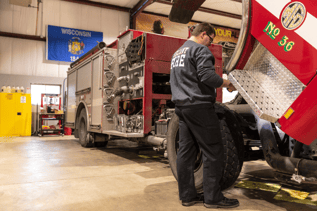
Fire truck maintenance is the ongoing process of inspecting, servicing and upgrading apparatus to ensure peak performance, safety and compliance.
“It’s not just about finding the right truck for your department, it’s also the relationship we’ve built with Pierce over the years; it’s a team, a partnership. I trust working with Pierce. 35 years I’ve been in the service, 35 years we’ve been in Pierce fire trucks.” – Joe King, Fire Chief, Volusia County Fire Department
Routine Inspections
Routine inspections designed to keep small issues from becoming big problems. Teams inspect fluid levels, tires, lights, warning systems, tools and overall truck condition. Routine inspections are the foundation of uptime and safety.
Examples: Inspect fluid levels, tires, lights, warning systems, tools and overall truck condition. Based on product type, apparatus require annual aerial testing, pump testing and standard DOT and NFPA certification.
Retrofitting and Upgrades
Retrofitting and upgrades are targeted enhancements made to existing fire apparatus to modernize performance, extend service life and align with evolving department needs. Whether you're updating safety systems, improving drivability or expanding operational capabilities, retrofits and upgrades offer a cost-effective way to keep older trucks mission-ready without full apparatus replacement.
Examples:
- Upgrade electrical systems with Pierce’s Command Zone™ Advanced Electronics to gain real-time diagnostics, advanced vehicle monitoring and streamlined troubleshooting.
- Replace outdated halogen or incandescent lights with energy-efficient LED systems to enhance visibility, reduce power draw and improve nighttime operations.
- Improve ride quality, handling and maneuverability by upgrading to Pierce's TAK-4® Suspension Systems.
- Add or upgrade to modern foam systems to enhance fire suppression capabilities across a range of structural and wildland incidents.
Annual Maintenance and NFPA Revisions
Annual maintenance involves scheduled, in-depth inspections and service procedures which go beyond daily checks. These evaluations are aligned with NFPA 1910 standards to ensure the safety, reliability and performance of each unit. Annual maintenance helps detect component wear, validate system performance and confirm compliance with industry regulations.
Regular testing and certifications help reduce unexpected downtime and support long-term apparatus health.
Examples:
- NFPA 1910 pump testing verifies the pump’s ability to deliver rated capacity, flow and pressure during emergency operations.
- Low voltage electrical system testing ensures proper grounding, load distribution and system reliability under real-world demands.
Seasonal Maintenance
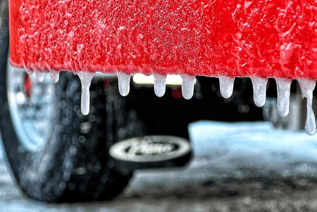
Seasonal maintenance ensures your apparatus is prepared for the environmental and operational challenges associated with changes in weather. These proactive procedures help prevent downtime, protect equipment and maintain performance in both extreme cold and heat.
Examples:
- Winter Prep: Check block heaters, batteries, coolant levels, hydraulic oil levels and tire conditions. Drain and service air brake and pump systems to prevent freezing.
- Summer Readiness: Inspect HVAC systems, coolant performance and tire pressure fluctuations. Ensure cab and compartment ventilation is functioning properly.
- Equipment Rotation: Shift tools and gear based on seasonal needs, such as moving chainsaws and generators into more accessible compartments during storm season.
- Climate-Specific Checks: Departments in colder climates may add undercoating inspections or heated mirror tests, while hot-weather departments may focus on UV protection and interior heat tolerance.
Apparatus Aging Management
As fire trucks age, their needs can become more complex. Apparatus aging management helps departments plan proactively to balance performance, cost-efficiency and operational readiness. With the right strategy, even older units can remain reliable assets for years to come.
Examples:
- Legacy System Support: Maintain support for older control systems, lighting and drivetrain components through OEM parts and trained technicians.
- Component Upgrades: Improve reliability by modernizing essential elements such as suspension, pumps or lighting with compatible retrofits.
- End-of-Life Planning: Evaluate operating costs, safety and compliance factors to determine when a vehicle is no longer viable for frontline use.
Preventive Maintenance Program Development
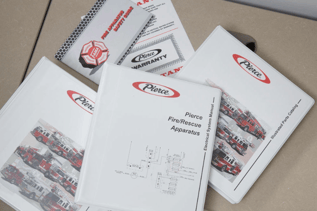 A preventive maintenance program ensures your fleet stays mission-ready while reducing unplanned downtime and repair costs. By establishing clear inspection protocols, scheduled service intervals and thorough record-keeping, fire departments can maintain compliance with NFPA and DOT standards while extending the life of their apparatus.
“When you build a structured maintenance program, you don’t only catch issues early, you extend the life of the apparatus and keep your people safer on the road.” – Todd Knorr, Sr. Manager, Product Training and Technical Publications, Pierce Manufacturing
Establishing a Maintenance Schedule
Creating a proactive maintenance schedule involves aligning daily, weekly, monthly and annual checks with departmental needs and regulatory standards.
- Daily apparatus inspection protocols help catch early signs of wear or damage before they become issues.
- Weekly, monthly and annual maintenance requirements provide structure for deeper inspections and service.
- NFPA 1910 and DOT compliance standards should be embedded in all timelines.
Tip: Fire departments can create custom calendars based on apparatus type, usage frequency and local conditions.
Essential Daily Inspections
Routine daily inspections are the first line of defense against unexpected failures.- Visual inspection checklist includes lights, tires, hoses and the overall truck condition.
- Fluid level monitoring ensures proper engine, transmission and brake fluid levels.
- Electrical system checks verify lighting, warning devices and control systems.
- Safety equipment verification confirms readiness of tools, SCBA units, extinguishers, etc.
- Documentation and record-keeping should be standardized using digital logs.
Scheduled Maintenance Intervals
Beyond daily checks, periodic services are critical to apparatus longevity and safety.
- Engine and transmission service helps preserve performance and fuel efficiency.
- Hydraulic system maintenance includes checking pressure lines, cylinders and fluid reservoirs.
- Brake system inspections ensure stopping power and safety under all load conditions.
- Suspension component checks confirm ride quality and steering responsiveness.
- Aerial device certifications verify structural integrity and operational safety.
- DOT and NFPA standard compliance testing ensures apparatus readiness.
Maintenance Record Keeping
Accurate, consistent documentation protects your investment and supports future planning.
- Digital vs. paper documentation system: digital logs reduce errors and streamline retrieval.
- Tracking maintenance history enables trend analysis and proactive issue resolution.
- Warranty compliance documentation is essential for validating claims and reducing costs.
- Cost tracking and budget planning help justify funding requests and plan for capital expenditures.
A strong preventive maintenance program lays the foundation for reliable performance, safety and long-term cost savings.
By standardizing inspections, aligning service intervals with compliance standards and documenting everything clearly, fire departments can keep their apparatus in peak condition - ready to respond when it matters most.
In addition, there’s another layer amplifying these efforts: consistency across your fleet. When every truck shares common components, configurations and service procedures, maintenance becomes more efficient and downtime gets even shorter.
Benefits of Fleet Consistency
Standardizing elements of your fleet or consistency of components is more than just matching parts; it's about improving efficiency, safety and reliability across every response. A standardized fleet means familiar controls, reduced maintenance complexity and faster service turnaround.
- Operational Consistency. When every apparatus has a consistent layout, crews can operate efficiently and safely, no matter which truck they’re in.
- Maintenance Efficiency. Standardized components streamline technician training, reduce part variety and keep more trucks in service.
- Faster Parts and Service Support. Pierce dealers can stock and source parts more quickly for standardized fleets, helping minimize downtime.
- Cost Savings. Repeating proven specs cuts costs in ordering, training, servicing and long-term fleet management.
You can learn more about the benefits of fire truck fleet standardization here.
Benefits of Predictive Maintenance
Harnessing the power of data, predictive maintenance is all about catching issues before they escalate to minimize downtime, maximize fleet readiness and lower operating costs.
With Pierce Command Zone™ Advanced Electronics Systems integrated with connected solutions, fire departments gain real-time visibility into the condition of their apparatus. This means quicker troubleshooting, smarter maintenance planning and more reliable trucks on the road.
- Proactive Fault Alerts. Pierce’s ClearSky Intelligence™ Connected Solutions continuously monitor vital metrics to alert departments when maintenance is needed.
- Remote Access and Diagnostics. With remote access through a secure web portal, fleet managers and technicians can monitor apparatus health, diagnose issues and schedule maintenance.
- Cost-Efficient Fleet Management. Real-time analytics help departments accurately forecast budgets, minimize unexpected repairs and extend truck lifespan.
Building a Maintenance Culture
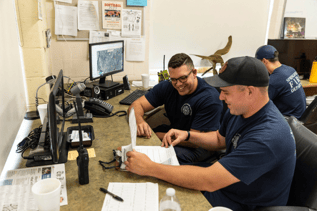 Creating a maintenance culture isn’t just about checklists and service intervals, it’s about leadership, education and accountability across your organization. When maintenance is treated as a shared responsibility, fire departments see better uptime, safer operations and longer apparatus life cycles.
Leadership and Buy-In
A successful maintenance culture starts at the top. Support from chief officers signals upkeep as a strategic priority and not just a logistical task.
- Chief Officer Support: Leadership buy-in is essential for setting expectations and gaining follow-through at every level.
- Resource Allocation: Budgeting for training, staffing and technology demonstrates long-term commitment to apparatus uptime.
- Policy Development: Clear SOPs and maintenance standards help create consistency across shifts and stations.
- Performance Metrics: Leadership teams can monitor uptime, service delays and parts availability to continuously refine their procedures.
“When department leaders prioritize maintenance with clear policies, dedicated budgets and measurable goals, it sends a message across the organization: uptime matters.” - Kristina Spang, Vice President of Aftermarket, Pierce Manufacturing
Training Your Team
Knowledge is one of your most valuable maintenance tools. Investing in technician and operator education helps prevent issues before they begin.
- Identify Training Needs: Understand the knowledge gaps among drivers, engineers and service personnel.
- Create Internal Champions: Empower skilled team members to lead by example and share expertise.
- Ongoing Education: Maintain training continuity through workshops, vendor-led sessions and on-the-job learning.
- Knowledge Sharing: Encourage crews to log their learnings and pass along best practices.
Hear more in Episode 23: Fire Apparatus Fleet Management with Ricky Riley as he discusses the long-term value of technician training and how departments use fleet data to drive smarter decisions.
Check out Pierce Fire Truck Maintenance and Service Training programs for resources tailored to operators and technicians.
Measuring Success
To continually improve your maintenance program, it’s important to track the right performance indicators.
Uptime metrics help gauge how often your apparatus is in-service and ready to respond, providing a clear picture of availability. By analyzing cost per mile, departments can uncover inefficiencies in operations and better understand the total cost of ownership. Response readiness ensures each vehicle meets operational standards without delay, reinforcing safety and dependability.
Lastly, maintenance efficiency can be tracked through service turnaround times, parts availability and inspection completion rates, offering insight into how smoothly and proactively your program is running.
Understanding Your Pierce Apparatus
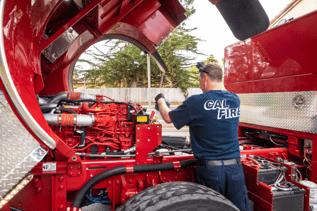
Every Pierce apparatus is purpose-built to meet the specific needs of the department it serves. This level of customization offers significant operational benefits but also demands specialized maintenance knowledge. Departments which invest in understanding their custom specs and in training personnel to support them, gain a critical edge in maximizing uptime and long-term value.
Pierce Chassis Systems
Pierce offers custom chassis with advanced chassis features like TAK-4® Independent Front and Rear Suspension, which enhance ride quality, control and durability across challenging terrain.
Electrical Systems
At the heart of Pierce's electrical architecture is the Command Zone™ Advanced Electronics system, a multiplexed system designed to simplify diagnostics, enhance connectivity and reduce troubleshooting time. For departments which prefer traditional wiring, non-multiplex systems remain an option, allowing for a familiar, low-tech approach.
Pump Systems
The Pierce PUC™ (Pierce Ultimate Configuration) pump eliminates the bulky pump house, creating more room for tools and equipment while simplifying maintenance. With its compact design and simplified plumbing, the PUC pump is ideal for departments seeking flexibility and ease of service.
Aerial Systems
Pierce aerial platforms and ladders are engineered for performance and built to meet rigorous structural and operational standards. Maintenance requirements include regular load testing, hydraulic inspections and lubrication schedules to ensure safety and longevity.
Foam Systems
Pierce’s Husky™ Foam Systems and Hercules™ Compressed Air Foam Systems (CAFS) enhance firefighting capabilities with better suppression, faster knockdown and improved reach. Routine maintenance includes system flushing, pressure testing and foam concentrate management.
Safety Systems
From Side Roll Protection (SRP) to Electronic Stability Control (ESC) and Anti-lock Braking Systems (ABS), Pierce integrates critical safety systems to help protect firefighters on every call. Regular checks of sensors, control modules and fail-safes are essential for ongoing reliability.
Documentation and Resources
Proper documentation is key to maintaining your apparatus safely and efficiently. Every fire truck comes with an operator and service and maintenance manual, offering guidance for daily use and essential maintenance tasks.
For more technical support, service manuals provide in-depth procedures for diagnostics, repairs and part replacements.
Departments can also access PierceParts.com, an online catalog featuring over 130,000 manuals. With searchable Bill of Materials (BOM) data and exploded diagrams, technicians can identify, locate and order OEM parts to keep trucks in-service and ready to respond through their authorized dealer. Your dealer can work directly with you to utilize PierceParts.com.
Inventory Management Best Practices
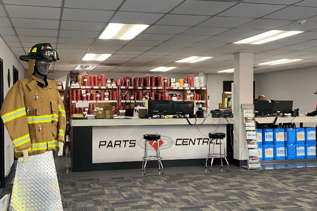
Effective inventory management can help your department perform maintenance without delays.
- Start by stocking critical wear-and-replacement parts commonly used across your fleet, such as filters, bulbs and brake components.
- Incorporate seasonal planning into your strategy; stock up on heater system parts before winter and cooling components before summer.
- Proactively forecast your parts budget by analyzing historical usage and anticipated needs, which helps with smoother approvals and financial planning.
Finally, maintain a strong relationship with your local Pierce Dealer, who can help communicate anticipated lead times, suggest cost-saving stocking strategies and provide access to emergency procurement when needed.
Pierce Warranty and Service Agreements
Pierce Manufacturing backs its fire apparatus with a solid foundation of factory-supported service and warranty coverage, designed to help your department stay mission-ready from delivery through the life of the apparatus.
Understanding Pierce Warranties
Pierce provides full factory warranty coverage, which includes both the custom apparatus and select supplier components. The Product Support team works closely with dealers and departments to manage supplier claims and warranty issues efficiently.
Extended Service Options
Beyond standard coverage, Pierce dealers offer service agreements customized for ongoing support. These options can streamline budgeting and fleet maintenance through defined, scheduled services.
Warranty Compliance
Maintaining compliance with warranty terms relies on disciplined maintenance practices, proper documentation and using authorized repair facilities. Pierce dealers and their dedicated Service Brigade of factory-trained technicians, ensure repairs and service conform to OEM specifications, preserving your warranty standing.
Pierce Dealer Network
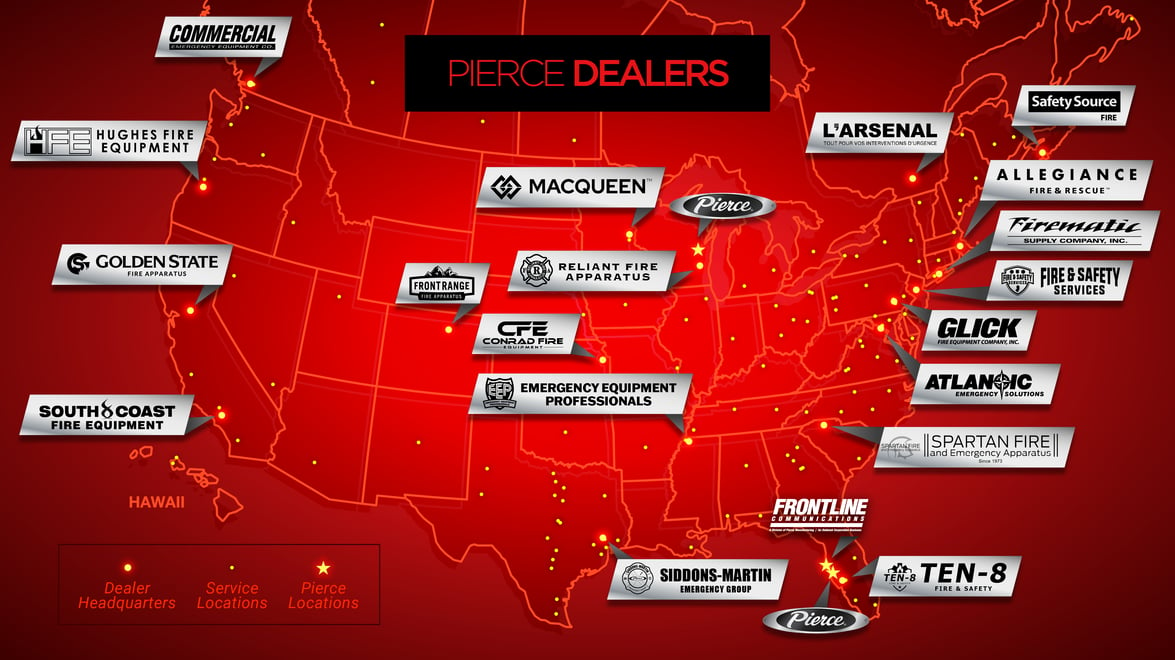
Pierce's industry-leading parts and product support ensures your fire apparatus stays mission-ready, with unmatched access to parts, expert service and technical resources.
With over 130+ authorized dealer service centers you can access efficient support tailored to your community’s operational landscape.
When vehicle support is needed, you can rely on over 1,000 service technicians and 24/7 technical support to diagnose and resolve issues quickly, often preventing long service interruptions.
Read our blog to learn more: Benefits of a Strong Fire Apparatus Dealer Network
But it’s important to note: the Pierce dealer presence extends beyond just service. It's a collaborative model designed to ensure each department is supported not just at the time of purchase, but through years of reliable operation.
“A lot of hard work goes into getting an apparatus and once it goes into service, you can't forget about it because there's still more work to be done,” states Randy Bloomer, Albuquerque Fire Rescue. “Keeping services up and keeping to a plan, that is what keeps the longevity in the truck and also keeps the truck in service more than it's out of service.”
Fire Truck Maintenance Cost Management and Budgeting
 Managing a fire apparatus fleet involves strategic financial planning, not just operational decision-making. Departments need to weigh short-term costs against long-term value while preparing for the unexpected.
A clear budgeting strategy helps optimize resources, reduce downtime and extend vehicle lifespan without compromising response readiness.
The following considerations can help departments take control of fire truck maintenance costs and make smarter, data-backed decisions.
- Managing a fire truck fleet means looking beyond purchase price. Compare acquisition costs to long-term lifecycle expenses. Plan budgets around preventive maintenance, not just repairs. Set aside reserves for the unexpected.
- Protect and extend value. Well-maintained trucks hold higher resale value and stay in service longer. Use documentation to support warranties, track repairs and guide replacement timelines.
- Plan ahead with the right tools. Build annual maintenance cost forecasts. Invest in critical parts, technician training and emergency repair funds to reduce downtime and stretch every dollar further.
“Too often, maintenance budgets focus only on fixing what’s broken. But it's important to plan for prevention. By aligning budgets with long-term lifecycle planning - parts, training, diagnostics - you not only extend the life of your fleet, you stretch every dollar further.” – Chad Miller, Director of Service Support, Pierce Manufacturing
Building a Long-Term Maintenance Partnership
Choosing the right fire truck manufacturer and service partner is critical to the longevity, reliability and performance of your fleet. With Pierce Manufacturing, departments gain more than a truck, they gain a dedicated network of support built to meet long-term operational needs.
Working with an authorized Pierce dealer means working with trained experts who understand your apparatus from the inside out. Dealers provide priority service, access to OEM parts and support from Master Technicians who are certified to handle the most advanced systems on the market.
Departments can further protect their fleet investment through tailored maintenance agreements and support contracts. These services help departments plan proactively, reduce unexpected costs and maximize uptime with preventive maintenance scheduling, real-time diagnostics and on-site service options.
"We consistently witness the innovative strides Pierce engineering takes with every apparatus we receive. Pierce truly listens to its customers. Whenever we face a challenge and seek their help, they deliver. Their exceptional support team has significantly reduced our fleet's downtime, greatly benefiting our organization.” Fire Chief Bill Johnson, Cobb County
Explore how Conrad Fire Equipment’s new Tulsa Service Center is elevating regional fire truck support with advanced diagnostics, preventive maintenance and faster turnaround times.
Case Study: South County Fire Department
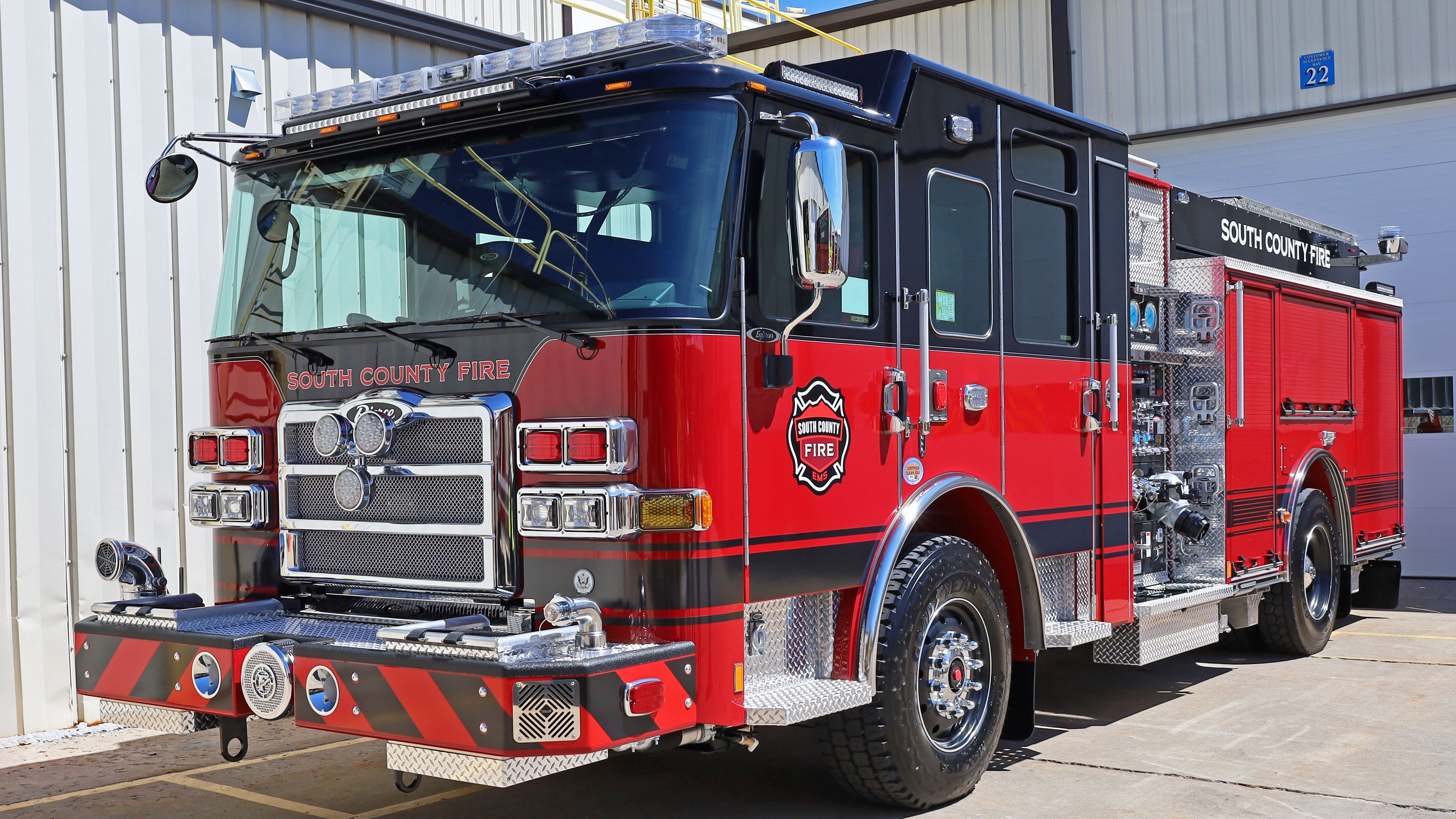
South County Fire Department in Washington has seen powerful results from its partnership with Pierce. Using fleet data and OEM consultation, the department was able to optimize pump and tank sizing and implement strategic compartmentation - all while relying on Pierce’s support network for ongoing maintenance and training.
“Pierce and your authorized dealer strive to support maintenance processes and services to help your trucks stay in service so your crews can depend on them.”- Kristina Spang, Vice President of Aftermarket, Pierce Manufacturing
Fire apparatus are critical vehicles for community safety. Increasing uptime and keeping them in peak condition is a shared responsibility between departments, technicians, manufacturers and dealers. When you choose to work with Pierce Manufacturing, you gain a long-term partner committed to maximizing uptime, simplifying service and extending the life of your fleet.
Whether you’re building out a preventive maintenance program, managing complex fleets or training your next generation of service professionals, Pierce’s full-service ecosystem is here to support you every step of the way. Because when your apparatus stays in service, your community stays protected. Contact your local Pierce Dealer to learn more.