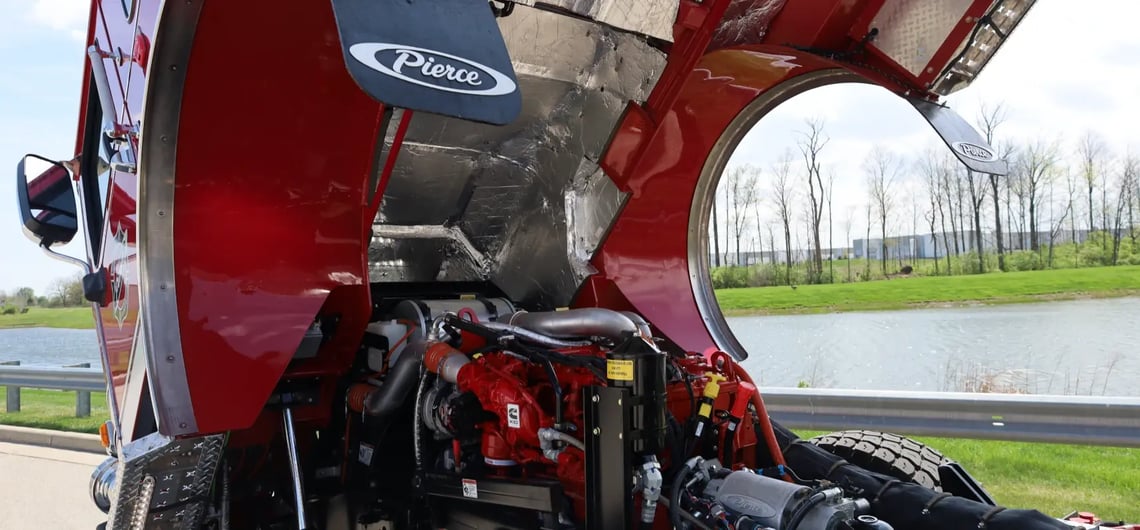
 The United States Environmental Protection Agency (EPA) 2027 emissions standards represent a significant regulatory change to diesel engine technology, and fire departments across the country are asking questions.
-
What are the EPA 2027 emissions standards for heavy-duty vehicles?
-
What needs to change on fire apparatus?
-
What do the EPA changes mean for fire truck maintenance?
-
Will changes affect how firefighters operate their rigs?
Here’s a simple breakdown of everything you need to know about EPA 2027, and how Pierce® Manufacturing is preparing to deliver fully compliant apparatus without compromising the performance fire departments depend on.
What Are the EPA 2027 Emissions Standards for Fire Apparatus?
The EPA 2027 emission standards are federal diesel engine regulations designed to significantly reduce Nitrogen Oxide (NOx) emissions by approximately 50-percent compared to previous standards. NOx gases are produced during engine combustion and contribute to air pollution, making emissions reduction a continued focus across the commercial vehicle industry.
For fire apparatus manufacturers, the primary challenge is integrating the larger and more advanced emission control systems required to meet EPA 2027 standards while maintaining apparatus performance, functionality and weight compliance. Since fire trucks are highly customized and carry extensive equipment loads, manufacturers must carefully package new exhaust and aftertreatment components without compromising on operational capabilities.
Read more about the emission standards here: Control of Air Pollution from New Motor Vehicles: Heavy-Duty Engine and Vehicle Standards.
"Pierce has been proactively planning and testing for EPA 2027 implementation and remains on track to deliver compliant fire apparatus while preserving the performance, configuration flexibility and functionality departments value." — Faisal Naveed, Pierce Business Unit Director - Cab, Chassis, & Electrical
The Technology Behind Compliance: Inside the Aftertreatment System
To understand how EPA 2027 regulations will impact fire apparatus, it’s helpful to first understand the core emissions technologies involved. While the standards themselves focus on reducing NOx emissions, the real changes for apparatus manufacturers and fire departments center around how those emissions are managed within the space constraints of the apparatus.
What is Selective Catalytic Reduction (SCR)?
Selective Catalytic Reduction (SCR) is the primary emissions technology used to meet EPA NOx reduction requirements for diesel engines. The system reduces harmful NOx emissions by injecting Diesel Exhaust Fluid (DEF) into the exhaust stream after it leaves the engine. A chemical reaction then converts NOx into harmless nitrogen gas and water vapor.
SCR technology has been a core part of diesel emissions compliance for years, however EPA 2027 standards will require a more advanced two-stage aftertreatment process to achieve even lower NOx emissions levels.
Key components of the SCR system include:
- Diesel Exhaust Fluid (DEF): DEF, also known as Urea, is stored in a separate onboard tank and injected into the exhaust stream to trigger the emissions-reducing chemical reaction.
- Two-Stage Aftertreatment System: Under EPA 2027, exhaust will move through additional filtration including two separate SCR stages before exiting the tailpipe.
- Additional Packaging Requirements: The expanded aftertreatment system requires additional hardware and space on the chassis, creating new packaging considerations for fire apparatus manufacturers working within weight and space constraints.
EPA 2027 Readiness: Working Closely with Engine OEMs
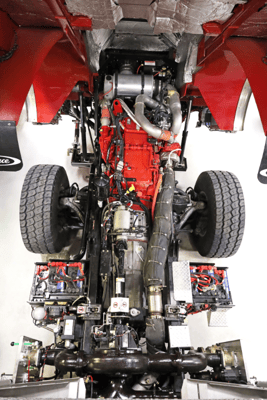
Preparing for EPA 2027 requires close collaboration between fire apparatus manufacturers and engine OEMs. Pierce has been proactively working alongside leading engine manufacturers to ensure new emissions systems are integrated into apparatus designs without compromising performance, functionality or apparatus packaging.
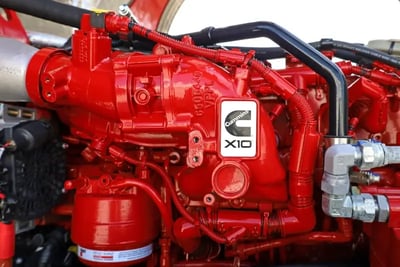
In collaboration with Cummins, Pierce is pleased to offer customers the new Cummins X10 and X15 engines designed to meet EPA 2027 standards.
Cummins EPA 2027 engines include a new Heater Control Unit (HCU) which helps the emissions system reach operating temperature quickly, especially during cold starts, extended idling and low-load operation that are common in fire service applications. Additional functions include:
- Monitors exhaust and aftertreatment temperatures.
- Controls electric heaters located in the aftertreatment system.
- Coordinates with the Engine Control Module (ECM).
- Activates heaters when catalyst temperatures are below the required threshold.
- Optimizes power consumption from the 48V electrical system.
Pierce also continues working closely with PACCAR as the company prepares its EPA 2027-compliant engine platform for future fire apparatus applications.
By maintaining strong OEM partnerships and completing testing and integration efforts early, Pierce is positioned to support a smooth transition into the EPA 2027 era while preserving critical apparatus operational capabilities.
Will Existing Fire Apparatus Need to Meet EPA 2027 Standards?
 EPA 2027 standards apply to new engines and apparatus manufactured for the 2027 model year and beyond.
Existing fire apparatus built before the EPA 2027 implementation timeline will not be required to retrofit or upgrade to the new emissions systems.
What Are EPA Credits and When Are They Needed?
EPA emissions credits are part of a regulatory system designed to give engine manufacturers flexibility during transitions to new emissions standards. Manufacturers can earn credits by producing engines which meet emissions requirements ahead of schedule or perform cleaner than the current standard requires.
For fire apparatus customers, EPA credits can be applied to orders where a currently-compliant engine is used. This helps OEMs continue to supply engines during rollout periods while final testing, certification and production scaling are completed for new standards.
Pumpers, Aerials and Rescues: How Each Apparatus Type Is Affected by EPA 2027
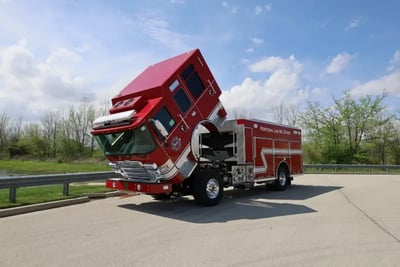 EPA 2027 will impact apparatus types to varying degrees. Let’s review these challenges and how Pierce is ensuring compliance.
Pumpers
Pumpers present a complex integration challenge. The pump is typically positioned at the center of the chassis, and the pumphouse currently occupies significant space. Adding two-stage aftertreatment hardware, which runs its own system of tanks and tubes, requires packaging adjustments to make everything fit without affecting the body design. Moreover, maintenance access to both the pumper system and the aftertreatment systems must be considered.
Aerials
Aerial apparatus compliance is focused more on overall vehicle weight and weight distribution than on space constraints. The addition of aftertreatment components must be carefully accounted for in the overall vehicle weight distribution and stabilizer calculations.
Rescues
Rescue apparatus, by comparison, face fewer integration obstacles. The overall engineering challenge focuses on compartmentation space. The impact on crews and fleet managers is expected to be minimal.
While EPA 2027 introduces significant engineering and packaging changes behind the scenes, most firefighters are not expected to notice meaningful differences during day-to-day operations.
Pierce has focused heavily on strategically integrating EPA 2027 aftertreatment systems to preserve apparatus maneuverability, functionality and operational performance. — Faisal Naveed, Pierce Business Unit Director - Cab, Chassis, & Electrical
For fire departments with Pierce apparatus, driving characteristics, pump operations, aerial deployment and compartment accessibility are expected to remain largely unchanged. The majority of the new emissions hardware is integrated beneath or alongside the chassis, minimizing the operational impact on the apparatus itself.
What Fire Departments Should Know About Maintenance
 While most operational changes associated with EPA 2027 will not noticeably affect apparatus, fire departments should understand a few important maintenance considerations tied to the new emissions systems.
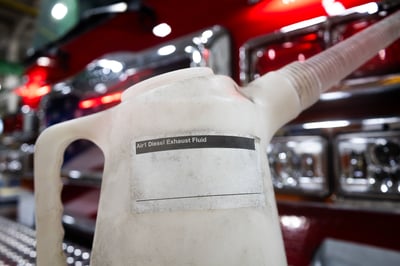
DEF Quality: Managing DEF is the single most important maintenance consideration for departments operating EPA 2027 apparatus. DEF tanks must be kept filled, and the fluid must be free of contamination. Contaminated or depleted DEF can trigger engine derates or warning systems, which may take the apparatus out of service. Departments should add DEF level checks into their apparatus inspection routines as they do fuel and oil checks.
Cold Weather Storage and Handling Practices: DEF can freeze. This is a real operational concern for departments in colder climates. Most modern apparatus have heating elements built into the DEF system to address this, but departments should understand the risk and incorporate cold weather storage and handling protocols into their maintenance planning. This means knowing the DEF's freeze point (around 12°F / -11°C), ensuring heated storage for reserve supplies and confirming the apparatus DEF system is functioning properly before placing it into service in cold conditions.
Service Intervals, Diagnostic Systems and Technician Training: Pierce’s target is to maintain the same service intervals departments are accustomed to, with no additional maintenance burden beyond what already exists for the emissions systems. That said, there are important steps departments should take proactively.
- Fleet technicians should receive training on what has changed between previous model years and EPA 2027 apparatus.
- Maintenance teams should understand how the new aftertreatment packaging is configured, how to read and respond to new diagnostic reports and what routine checks apply to the updated systems.
- Pierce and its dealer network are committed to supporting training and will be sharing detailed guidance as the 2027 launch approaches.
As EPA 2027 approaches, proactive maintenance planning and technician training will help departments ensure long-term apparatus reliability and readiness.
If You’re Spec’ing Apparatus Now, Read These Key Considerations for 2026 and 2027 Procurement
Departments currently working on apparatus specifications for 2027 delivery and beyond should consider the following:
- Understand the emissions credit landscape and how it affects engine availability from different OEMs; your Pierce Dealer can walk you through timing and options.
- Plan for DEF system management. Make sure your facilities have appropriate storage, your maintenance staff understands the system and your inspection checklists are updated.
- Confirm the technicians who will be servicing the new apparatus complete EPA 2027 training before apparatus delivery.
Questions to Ask Your Fire Apparatus Dealer
As EPA 2027 approaches, your fire apparatus dealer is the best resource. Pierce has been proactively communicating updates through its experienced dealer
network; however, you should also consider the following questions:
- How will the chassis configuration change based on my selected apparatus type? Understand how your apparatus manufacturer will integrate the larger aftertreatment systems while maintaining apparatus functionality, maneuverability and compartment access.
- What are the DEF system requirements? Review DEF tank locations, refill procedures, fluid quality requirements and any operational considerations tied to emissions compliance.
- How is cold weather handling supported? Discuss how the DEF system operates in freezing temperatures and what storage or maintenance practices are recommended for colder climates.
- What will the diagnostic interface look like? Learn how operators and fleet managers will monitor emissions systems, receive alerts and access updated diagnostic information.
- What are the available training resources? Ask what technician, operator and maintenance training will be available to help your department prepare for EPA 2027 apparatus.
EPA 2027 is a significant regulatory milestone, but it doesn’t need to be disruptive for fire departments.
Pierce Manufacturing has been proactively planning for the EPA 2027 transition, working with engine OEMs on certified engine packages, engineering aftertreatment solutions designed to fit within tight chassis constraints and ensuring apparatus features departments depend on are fully protected.
For crews and fleet managers, the day-to-day experience of operating a Pierce apparatus should remain unchanged.
Do you have questions about EPA 2027? Reach out to your local Pierce Dealer or leave us a comment below.