About Pierce Manufacturing
Pierce Manufacturing Inc., an Oshkosh Corporation [NYSE: OSK] business, is the leading North American manufacturer of custom fire apparatus. Products include custom and commercial pumpers, aerials, rescue trucks, wildland trucks, mini pumpers, and homeland security apparatus. In addition, Pierce designs its own foam systems and was the first company to introduce frontal airbags and the Side Roll Protection system to fire apparatus. To learn more about Pierce, visit www.piercemfg.com.
About Oshkosh Corporation
At Oshkosh (NYSE: OSK), we design, develop and deliver purpose-built vehicles, equipment and services that help everyday heroes build, serve and protect communities around the world. Headquartered in Wisconsin, Oshkosh Corporation employs over 19,000 team members worldwide, all united behind a common purpose: to make a difference in people’s lives. Oshkosh products can be found in more than 150 countries under the brands of JLG®, Pierce®, MAXIMETAL, Oshkosh® S-Series™, McNeilus®, IMT®, Jerr-Dan®, Frontline™ Communications, Oshkosh® Airport Products, Oshkosh AeroTech™, Oshkosh® Defense and Pratt Miller. For more information, visit oshkoshcorp.com.
Forward Looking Statements
This news release contains statements that the Company believes to be “forward-looking statements” within the meaning of the Private Securities Litigation Reform Act of 1995. All statements other than statements of historical fact, including, without limitation, statements regarding the Company’s future financial position, business strategy, targets, projected sales, costs, earnings, capital expenditures, debt levels and cash flows, and plans and objectives of management for future operations, are forward-looking statements. When used in this news release, words such as “may,” “will,” “expect,” “intend,” “estimate,” “anticipate,” “believe,” “should,” “project” or “plan” or the negative thereof or variations thereon or similar terminology are generally intended to identify forward-looking statements. These forward-looking statements are not guarantees of future performance and are subject to risks, uncertainties, assumptions and other factors, some of which are beyond the Company’s control, which could cause actual results to differ materially from those expressed or implied by such forward-looking statements. These factors include the Company's ability to successfully integrate the AeroTech acquisition and to realize the anticipated benefits associated with the same; the risks associated with international operations and sales, including compliance with the Foreign Corrupt Practices Act; the Company’s ability to comply with complex laws and regulations applicable to U.S. government contractors; cybersecurity risks and costs of defending against, mitigating and responding to data security threats and breaches impacting the Company; the Company’s ability to successfully identify, complete and integrate other acquisitions and to realize the anticipated benefits associated with the same; and risks related to the Company’s ability to successfully execute on its strategic road map and meet its long-term financial goals. Additional information concerning these and other factors is contained in the Company’s filings with the Securities and Exchange Commission. All forward-looking statements speak only as of the date of this news release. The Company assumes no obligation, and disclaims any obligation, to update information contained in this news release. Investors should be aware that the Company may not update such information until the Company’s next quarterly earnings conference call, if at all.
# # #
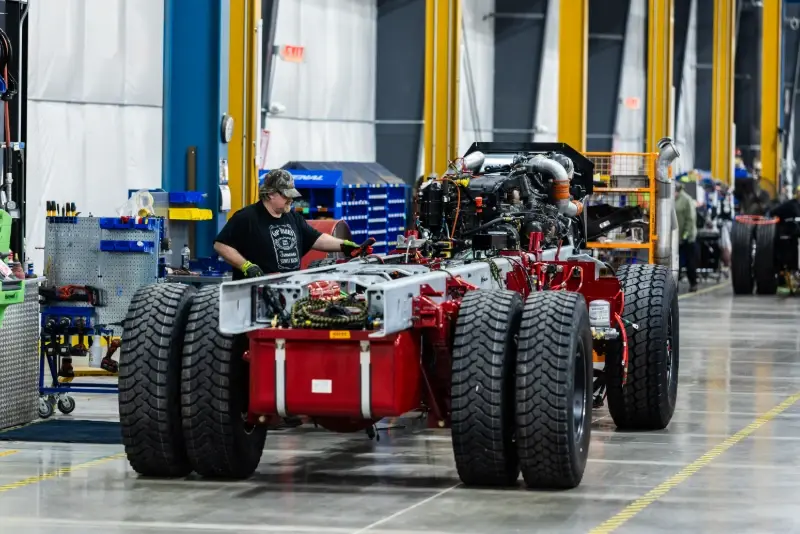
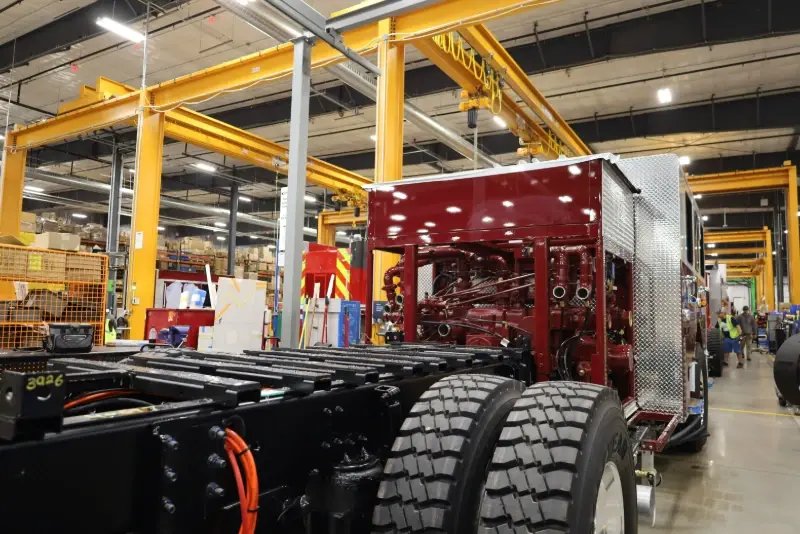
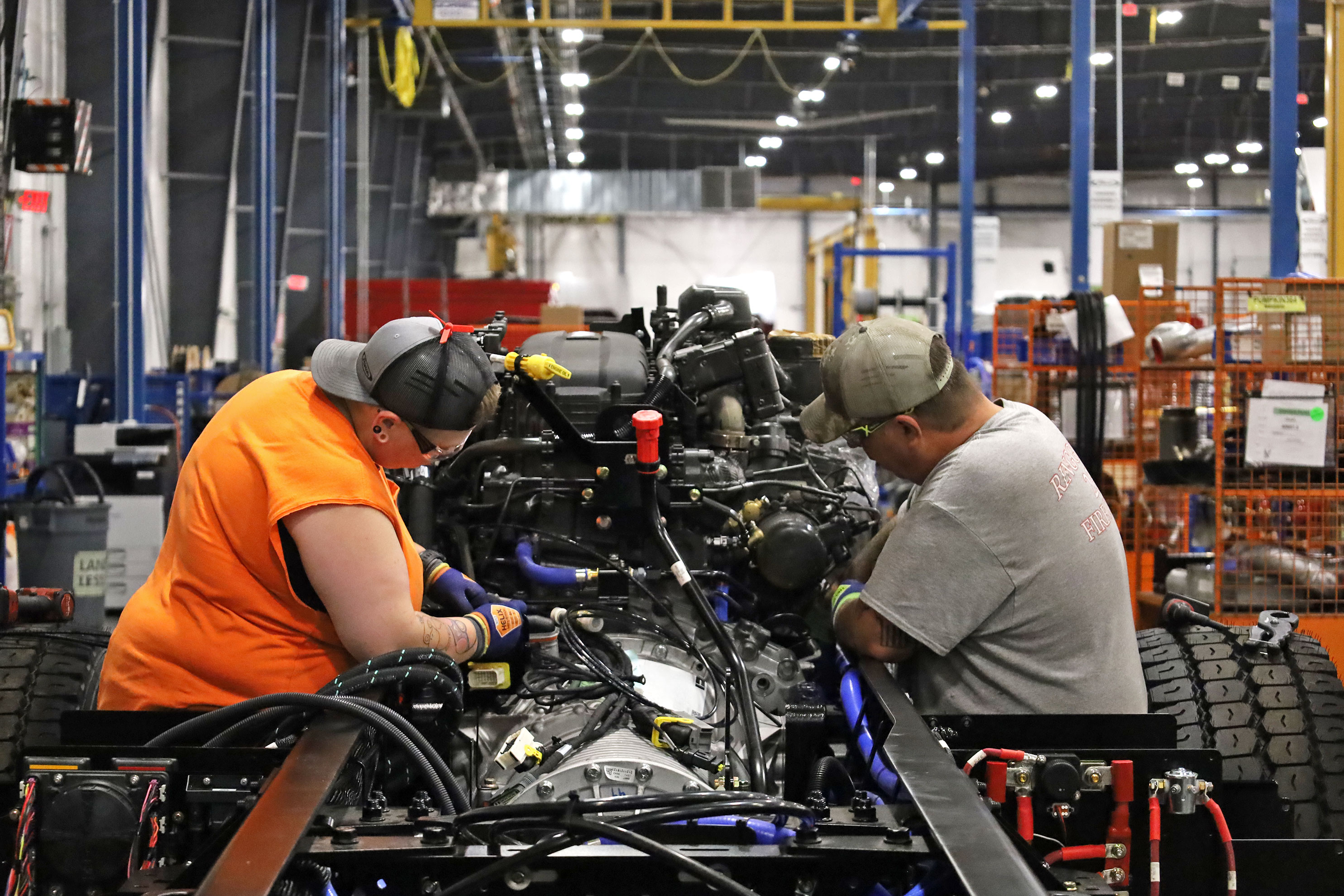
 Every Pierce® Manufacturing fire truck includes many steps prior to the apparatus taking shape. In frame-up and chassis assembly, the foundation systems and components designed to support the finished apparatus come together with precision.