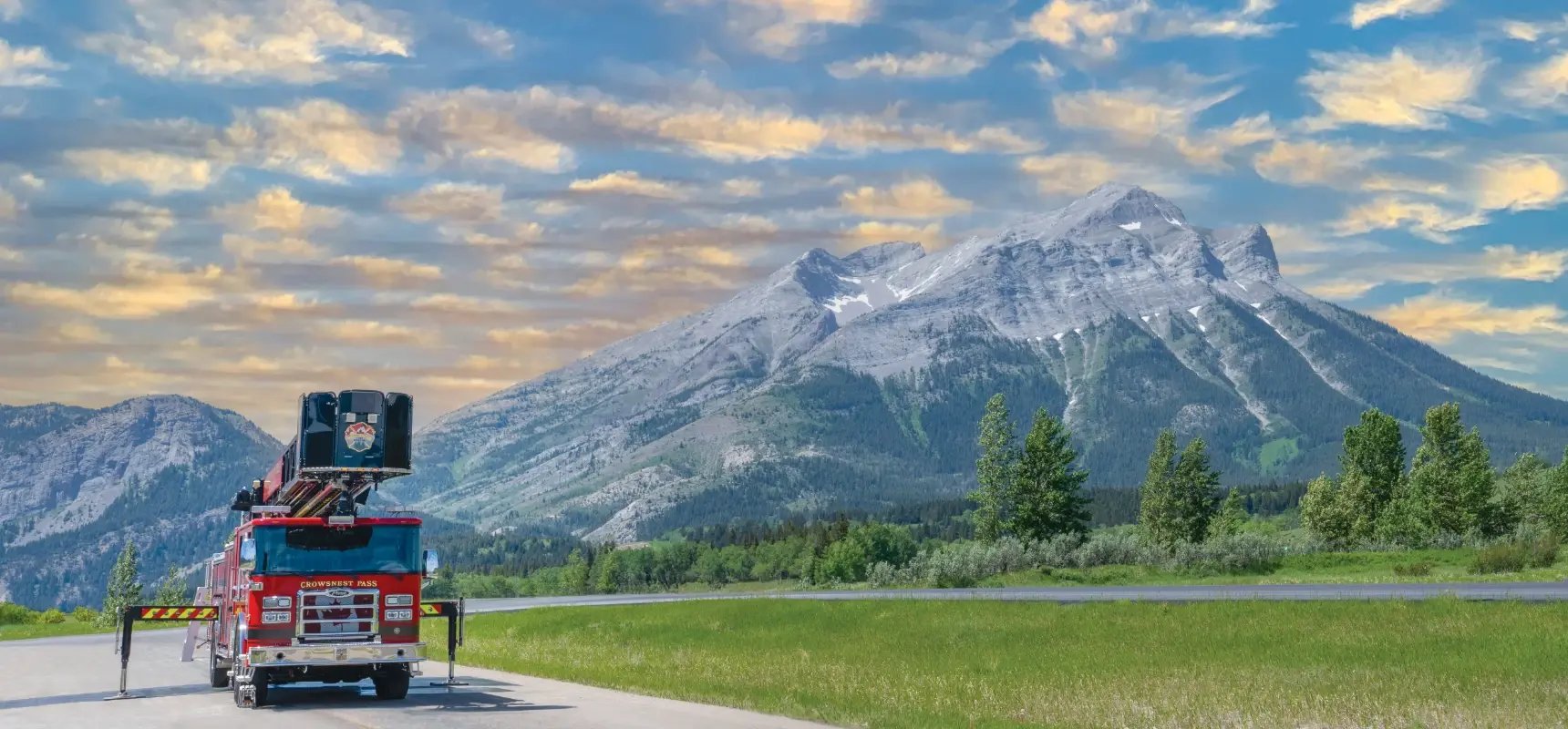
While fire trucks may look similar on the outside across North America, what’s under the hood and in compartments varies greatly from region to region.
Climate, terrain, call volume and local operating conditions influence how a truck is configured and how maintenance teams keep rigs mission-ready year after year.
This regional fire apparatus guide brings together insights from maintenance experts across North America to help firefighters, fire departments and technicians understand how to spec trucks for local conditions and plan maintenance effectively based on regional considerations.
Use the sections below as a regional reference when purchasing a new apparatus, reviewing preventive maintenance plans or troubleshooting recurring issues.
Regional Considerations: Northwest United States and Canada
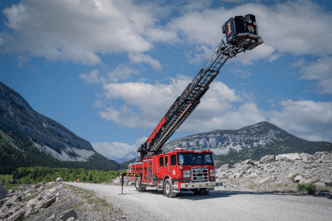 In northwestern regions across the United States and Canada, winter is often the main driver dictating how and when maintenance occurs. Extended periods of extreme cold push departments to complete most inspections, testing and preventive work during warmer months.
How A Cold Climate Shapes Maintenance Priorities
Routine Maintenance and Testing: With winter temperatures reaching –40 degrees for weeks at a time, fire departments are faced with narrow inspection and routine maintenance windows. Once the colder weather arrives, it becomes challenging to complete testing and routine maintenance outdoors. As such, most departments strive to complete annual pump testing, aerial testing and ladder inspections between late spring and early fall, while temperatures are warm.
Combating De-icing Agents: In addition to colder temperatures, fire departments in northern regions are also driving on roads with heavy de-icing agents. Sand, gravel, brine, salt and aggressive de-icing chemicals accelerate corrosion and wear across frames, wiring and suspension components. To combat corrosion, departments are encouraged to clean the undercarriage after every run to remove de-icing agents from the frame and components.
Aerial Maintenance and Lubrication: While many departments look at aerial maintenance in terms of usage hours, experts in the northern region often recommend viewing lubrication schedules based on the types of calls and apparatus exposure. Aerial cleaning and re-lubrication should be completed when the apparatus is exposed to dusty conditions, soot from structure fires or heavy winds that could anchor dirt and debris in the aerial components.
Pump Draining: During winter months, pump drainage becomes a critical maintenance task. Simply pulling the pump drain does not remove all water from the system. Proper drainage requires opening valves, removing plugs and fittings and eliminating airlocks so water can fully evacuate. Incomplete drainage increases the risk of freeze damage to pumps and valves. Departments must take special care to ensure apparatus are always stored inside, plumbing is dry and water is circulating when apparatus is outside the station for extended periods in freezing temperatures.
Automatic Tire Chain Inspection and Readiness: Tire chains play a critical role in maintaining traction during winter response, especially on icy roads and steep inclines. As such, inspecting and servicing automatic tire chain systems regularly throughout the cold season is recommended. Chains should be checked for chain link wear and chain wheel bearing play, full deployment and retraction as well as proper alignment with the tire to ensure reliable engagement. Pivot points will need grease, and if the system is left on during the summer, occasional exercise of the system on a dirt road for a short period of time is recommended.
Apparatus Spec’ing Considerations for Northern Climates
Departments in northern regions often benefit from:
- Galvanized or hot-dipped frame rails
- Automatic tire chains for improved road traction on snow and ice
- Winter protection packages with staged heating
- Pump compartment heaters
- Heat enclosures around the pump including heated pump gauges and lines
- Heavy duty or severe-duty cab HVAC systems for defrosting
- Supplemental cab ventilation for defogging
- Suspension systems designed for rough terrain
“In cold-weather regions, success comes down to preparation. Planning maintenance and testing in warmer months and protecting critical systems in winter helps keep trucks in service.” — Les Rea, Aftermarket and Product Support Manager, Commercial Emergency Equipment
Regional Considerations: Northeast
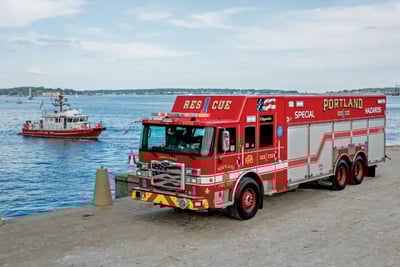 While the Northeastern region of the United States does experience the bitter cold and four distinct seasons like its northern neighbors, it also must contend with other unique environmental challenges. Salt exposure, coastal storm activity and dense urban operating environments shape both apparatus specifications and maintenance service schedules.
How Coastal Weather Shapes Maintenance Priorities
Much like the North, many departments in the Northeastern region also prioritize aerial inspections, pump testing and third-party evaluations between April and November to avoid maintenance in freezing temperatures. Additionally, with warm, humid weather in the summer months, spring often serves as prime time for air conditioning inspections and repairs.
Consistent Proactive Maintenance Based on OEM Operations and Maintenance Manuals: Preventive maintenance works best when performed on a consistent schedule regardless of call volume. Urban departments with high run counts and quieter volunteer departments both require regular checks. Preventive maintenance helps departments stay ahead of service needs rather than responding to failures after they occur.
Backflushing Pumps: Pumps need to be backflushed properly after using any newly installed hydrants and/or drafting from static water sources to remove debris from impellers. Replace intake strainers as needed.
Cold Weather Pump Operations: On Scene: Circulate water between the tank and pump to prevent damage from freezing. Outdoor or Heated Storage: Drain pumps and tanks, consult your local dealer for proper draining instructions.
A/C and Filter Inspection: Early-season air conditioning service and filter cleaning helps prevent mid-summer failures. Spring inspections allow technicians to address airflow restrictions, clogged filters and system performance before heat and humidity increase demand on cooling systems.
Stormwater Inspection and Post-Storm Readiness: Severe storms and hurricanes introduce additional risk across parts of the Northeast. Flooding events increase the likelihood of water intrusion into pumps, electrical systems and driveline components. Post-storm inspections play a key role in identifying water damage early.
Apparatus Spec’ing Considerations for the Northeastern Climate
Departments operating in the Northeast often benefit from:
- Annual corrosion prevention treatments, especially for heavy salt exposure
- Pump house heaters in colder sub-regions
- Full-width or individual mud flaps to reduce road spray and debris kick-up
- Apparatus tire chains where winter traction becomes a concern
- Designs supporting easy undercarriage access for frequent cleaning
- Balanced heating and cooling systems suited for a four-season climate
- Maintenance contracts with OEM service facilities
“In the Northeast, departments face four seasons plus coastal storms and heavy salt exposure. Staying ready means planning maintenance early, staying consistent year-round and responding quickly after severe weather so apparatus remain in service when crews need them most.” — Sean O’Connor, Director of Customer Service, Fire & Safety Services, Ltd.

Regional Considerations: Southeastern United States
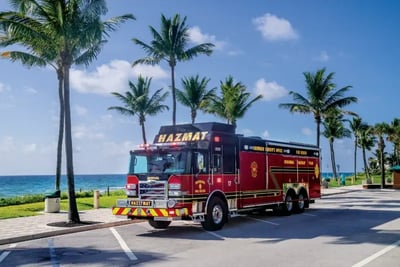 Fire departments across the Southeast operate in a climate defined by prolonged heat, high humidity and coastal exposure. While these departments rarely contend with freezing temperatures, environmental stressors such as salt air, seawater pumping and hurricanes strongly influence apparatus specifications and maintenance planning. Keeping rigs operational in this region depends on proactive cooling system care and rapid response following severe weather events.
How Heat and Coastal Conditions Shape Maintenance Priorities
Unlike colder regions, departments in the Southeast maintain consistent maintenance schedules year-round; except when it comes to air conditioning. Spring serves as a critical preparation period, allowing departments to service air conditioning systems before peak summer demand begins.
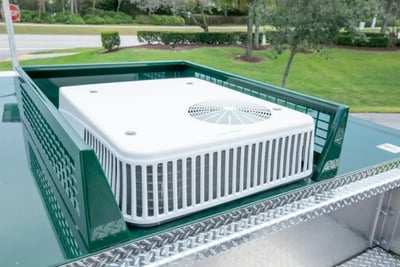 A/C and Filter Inspection: Air conditioning performance remains the top maintenance priority in the Southeast. Early-season inspections focus on condenser and evaporator cleaning, system pressure checks and refrigerant service. Filter inspections and replacements help maintain airflow and cooling efficiency as temperatures rise and humidity increases.
Frequent Pump, Tank and Apparatus Washdowns: Coastal departments may find themselves in a position to pump saltwater to support fire suppression efforts in areas with limited hydrant access. Saltwater exposure requires immediate flushing of pumps and valves followed by full washdowns to protect chassis and body components from damage and corrosion. Even responding to calls close to coastal areas can expose apparatus to saltwater and dried salt on roadways; consistent apparatus cleaning to reduce corrosion is encouraged.
Stormwater Inspection and Post-Storm Readiness: Hurricanes and severe storms introduce significant risk across coastal and inland areas. Flooding events increase the likelihood of water intrusion into pumps, electrical systems and driveline components. Post-storm inspections allow technicians to identify damage early and return apparatus to service quickly. After major weather events, service teams often work extended hours to ensure fleet readiness.
Consistent Proactive Maintenance: Preventive maintenance remains essential across all departments regardless of call volume. Heat and humidity accelerate wear on components, even when trucks remain in service bays.
Apparatus Spec’ing Considerations for the Southeastern Climate
- Robust air conditioning systems designed for extended high-temperature operation
- Corrosion prevention coatings for coastal and saltwater exposure
- Designs supporting frequent washdowns following seawater use or exposure
- Easy-access components to support regular cooling system maintenance
- Balanced electrical protection for high-humidity environments
“In the Southeast, heat and humidity never really take a season off. Preparing cooling systems early and responding quickly after storms helps departments keep trucks in service when conditions are at their toughest.” — Richard Downer, Chief Operating Officer, Ten-8 Fire & Safety
Did you know? Pierce offers training opportunities for fire truck service and maintenance. Take a look at our blog to learn more.
Regional Considerations: Southwest United States
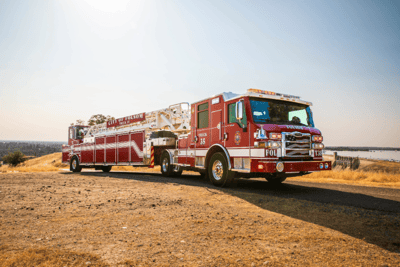 Fire departments across the Southwest operate in some of the most demanding environmental conditions in the country. Extreme heat, blowing dust, desert terrain and high elevations place constant stress on apparatus components. Urban growth in dense metro areas adds maneuverability challenges, making both maintenance planning and apparatus spec’ing highly region-specific.
How Heat, Dust and Elevation Shape Maintenance Priorities
Aerial Maintenance and Lubrication: Aerial devices require more frequent cleaning and lubrication in desert environments. Regular cleaning helps prevent dust and sand from bonding with grease and creating abrasive wear on moving components. Exposure following structure fires, wind events or prolonged deployments increases the need for immediate cleaning. Auto-lubrication systems support consistent chassis greasing and are often a good option for the Southwest region.
Air Filtration and Cooling System Focus: Dust-heavy conditions shorten the life of engine and cab air filters. Filters clog faster and require inspection and often require replacement before standard hour-based intervals. Cooling systems also demand close attention, as heat places continuous strain on radiators, transmission coolers, hoses and related components.
High Elevation Considerations: Departments operating at higher elevations experience natural pump performance loss. Maintenance teams must account for elevation-related impacts when evaluating pump health and test results.
Apparatus Spec’ing Considerations for the Southwestern Climate
Departments operating in desert regions often benefit from:
- Enhanced cooling packages with larger condensers and evaporators
- Increased cooling output designed for sustained high-temperature operation
- Standalone air conditioning systems, separate from heating systems
- Cab insulation upgrades to reduce heat transfer
- Thermal window treatments to limit solar heat gain
- Steerable rear axles to improve maneuverability in dense urban environments
- Auto-lubrication systems to maintain consistent lubrication during extreme heat
“We worked with Pierce to develop a unique climate package cooling system for the extreme temperatures of the Southwest. It is designed with a larger condenser and evaporator and can nearly double the output of a standard air conditioning package.” - Matt Sims, Regional Service Director, Southwest Region, Hughes Fire Equipment, Inc.
Trying to find ways to boost apparatus uptime? Read our blog to get helpful insights from the Pierce team.
Sub-Region Breakdown: Pacific Northwest and Midwest
While fire departments across North America face distinct regional challenges, many of the maintenance strategies used in the Pacific Northwest and Midwest echo those of other climates previously outlined. Here’s a shorter list of insights and recommendations specific to how these unique regions navigate their operational environments.
Regional Considerations: Pacific Northwest
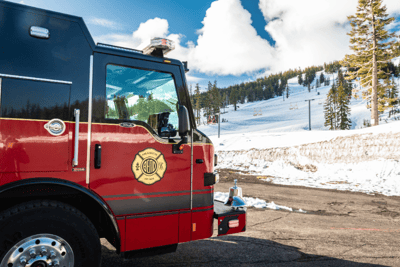 In the Pacific Northwest, moisture management is a top priority. While extreme temperatures are rare, consistent rain and damp conditions pose ongoing risks to electrical systems and compartments.
Key maintenance focus areas include:
- Routine electrical system inspections
- Moisture mitigation in compartments and wiring
- Brake and suspension checks for wet-road wear
- Corrosion-resistant coatings, even in low-salt areas
- Seal integrity and drainage design for long-term reliability
Regional Considerations: Midwest
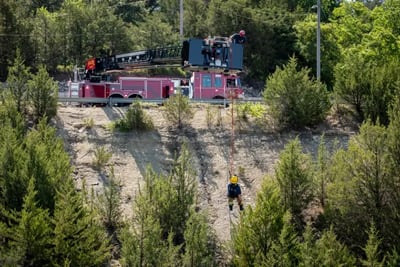 The Midwest presents a full spectrum of environmental challenges. Fire apparatus must withstand extreme cold, summer heat, snow, road salt, humidity and dust.
Key maintenance and spec considerations include:
- Corrosion protection for salt and winter road exposure
- Heating and cooling systems capable of handling seasonal extremes
- Suspension and drivetrain choices matched to terrain and call volume
- Preventive maintenance plans tailored to usage patterns
- Regular inspections to prevent wear on high-use rigs and component seizure on lower-use units
No matter the region, proactive maintenance planning is critical to keep apparatus ready when calls come in.
Fire departments looking to update maintenance schedules or understand specification recommendations by region can use these insights as a starting point to help support operational efficiency. Take a look at our additional resource: Fire Apparatus Service and Maintenance Guide for more insights and information from Pierce.
Contact your local Pierce Dealer to learn more about spec’ing a new fire truck for your region.
What regional specifications do you find most valuable to your fire department operations? Let us know in the comments.